
Hardwood, Laminate or Vinyl Plank: Flooring for Real Life
Practical guidance to pick the best floor for durability, budget and daily life in Toronto homes.
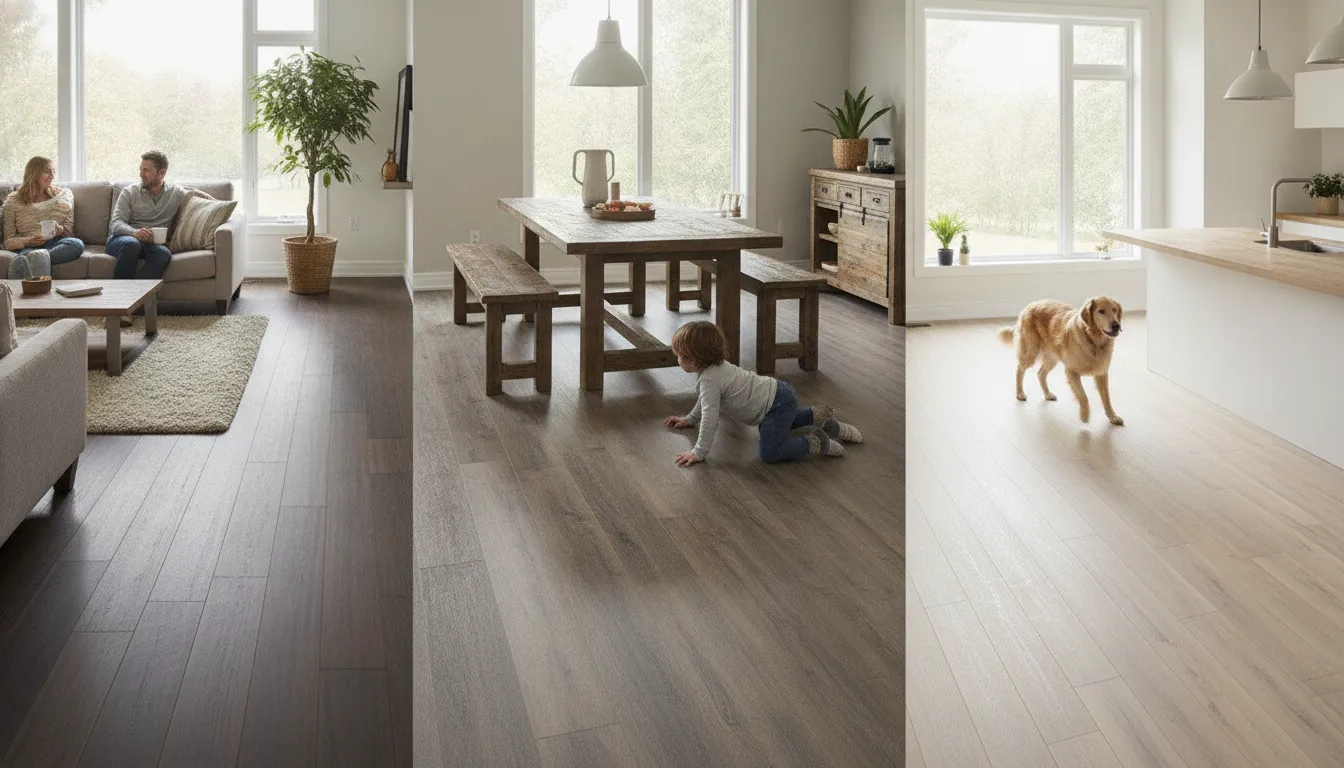
Which flooring is best for my home: hardwood, laminate or vinyl plank?
There’s no single “best” — choose by matching your home's moisture exposure, expected lifespan, traffic, resale goals and budget. Hardwood is long-lasting and desirable for resale; laminate is budget-friendly and scratch-resistant; modern vinyl plank handles moisture and heavy wear best in wet or high-traffic areas.
Hardwood — solid and engineered
Solid hardwood is milled from a single wood piece and can be sanded and refinished many times over decades, but it’s sensitive to moisture and seasonal movement. Engineered hardwood uses a layered plywood or HDF core with a real wood veneer: it tolerates Toronto’s humidity swings and basement-to-attic temperature differences better than solid planks.
Laminate — a cost-effective wear layer
Laminate flooring is a photographic wood-look layer over a high-density core with a protective top coat; it resists scratches and dents and usually costs less than real wood. It’s not real wood, so it won’t refinish; once worn, the plank is replaced. Quality varies by core material (HDF is preferable) and AC rating (higher AC = greater durability).
Vinyl plank — waterproof and versatile
Luxury vinyl plank (LVP) and luxury vinyl tile (LVT) are multi-layer synthetic products with waterproof cores and realistic surface textures. They work well in kitchens, bathrooms and basements because they tolerate standing water and humidity; good options replicate wood graining and can be installed as a floating floor or glued down.
Step-by-Step: Hardwood, Laminate or Vinyl Plank: Flooring for Real Life
A clear process helps you pick, buy and install flooring with fewer surprises. Follow these steps from assessing the site to final inspection.
- 1
1. Assess your home and room conditions
Note moisture sources (basement, bathroom, mudroom), direct sunlight, and expected foot traffic. In Toronto and nearby Mississauga or Markham where seasonal humidity swings are significant, measure subfloor moisture with a meter before picking materials.
- 2
2. Set budget and long-term goals
Decide whether the floor is for everyday durability, rental use, or to boost resale value. Factor in material, underlayment, removal of old flooring, stair finishing and expected lifespan rather than only upfront cost.
- 3
3. Choose product specifics
Compare plank thickness, wear layers, core materials (HDF, SPC, WPC) and finish types. For hardwood, select species, board width and whether engineered or solid; for vinyl, confirm water resistance and attachment method.
- 4
4. Hire or verify a contractor
Get written estimates from at least three Ontario-licensed contractors and check references, insurance and examples of similar work in Toronto neighborhoods. Confirm they will acclimate flooring on-site and follow manufacturer installation guidelines to maintain warranty eligibility.
- 5
5. Prepare and install
Contractor removes old flooring (if needed), levels and cleans the subfloor, installs required underlayment or vapour barriers, then fits the new planks. Expect 1–3 days for typical rooms; complex layouts, stairs or transitions add time.
- 6
6. Final inspection and care briefing
Walk the finished area with the contractor to note gaps, transitions and finish issues before final payment. Ask for written care instructions and warranty documents, and record the installer’s name and product batch numbers for any future claims.
Mistakes to Avoid
Costly problems are usually preventable with proper prep, realistic expectations and attention to warranties. Avoid shortcuts that void warranties, create moisture issues, or leave transitions and thresholds unresolved.
Skipping moisture testing and acclimation
Installing hardwood or laminate without checking subfloor moisture or allowing planks to acclimatize leads to cupping, gapping and buckling. In Toronto’s seasonal climate let engineered or solid wood acclimate in the room for the period the manufacturer recommends—commonly 48–72 hours—and use a moisture meter before and during installation.
Choosing based on image alone
A photo can’t show wear layer thickness, core type or install method—these determine performance. Compare specifications: for vinyl, look for 20–30 mil wear layers for heavy use; for laminate, prefer HDF cores and an AC3–AC5 rating depending on traffic.
Ignoring transitions and expansion space
Hardwood and laminate expand and contract with humidity; failing to leave expansion gaps and install proper transitions causes buckling at doorways. Ensure installers use recommended trim, reducers and thresholds and leave manufacturer-specified gaps along walls and fixed objects.
Hiring on price alone without local references
A low bid may cut corners on subfloor prep, adhesives or acclimation time, which shows up within months. Ask for recent Toronto-area references, examples in similar neighborhoods (Roncesvalles, The Beaches, North York) and confirm liability insurance and WSIB coverage.
What Affects Your Outcome
These factors change cost, longevity and satisfaction with your chosen floor.
Subfloor condition
Uneven or damp subfloors require leveling or remediation; failing to address this shortens floor life and causes visible defects.
Product quality and core type
Higher-quality wear layers, real-wood veneers, or rigid stone polymer (SPC) cores resist damage and look better longer than low-cost alternatives.
Installation quality
Experienced installers who follow manufacturer specs prevent gaps, squeaks and warranty issues; installation errors are a common source of problems.
Moisture and climate cycles
Toronto’s humidity and winter heating cause expansion and contraction; waterproof products and correct expansion gaps reduce movement-related failures.
Traffic and use patterns
Active households with pets or heavy furniture need tougher surfaces and thicker wear layers—lighter-duty products won’t hold up as long.
Building codes and permits
Major structural changes, glued installations in multi-unit buildings or floor replacements affecting fire separations may require permit review—check with the City of Toronto and your condominium management; confirm with local authorities.
Frequently Asked Questions
Is hardwood better for resale than vinyl plank or laminate?
Hardwood is traditionally perceived as higher-value by many buyers, especially solid or wide-plank engineered hardwood. However, high-quality vinyl plank can look very similar and offers practical advantages in moisture-prone areas; resale impact depends on the buyer market and neighborhood (Toronto and nearby cities like Mississauga).
Can I install hardwood or laminate in a Toronto basement?
Solid hardwood is generally not recommended in basements because of moisture and temperature differences; engineered hardwood with proper vapour control is a better option. Waterproof vinyl plank is the safest and most practical basement choice, but ensure the subfloor is dry and level.
How long should I expect each product to last?
Lifespan varies: properly maintained solid or engineered hardwood can last decades and be refinished; laminate typically lasts 10–25 years depending on quality and wear; high-quality vinyl plank can last 10–30 years. Actual longevity depends on traffic, maintenance and installation quality.
Do warranties cover water damage or pet stains?
Warranties vary widely; some vinyl products advertise waterproof warranties while most hardwood and laminate warranties exclude damage from standing water or improper maintenance. Always read manufacturer warranty terms and keep installation and maintenance records; for insurance claims in Ontario, your policy wording matters—verify with your insurer.
Should I remove old flooring myself before installation?
Removing old flooring can save labour cost but often uncovers subfloor issues that need professional repair—contractors usually prefer to assess removal during their initial visit. If you remove tiles or glued-down flooring yourself, be prepared for additional time and possible disposal fees.
How do I care for my new floor seasonally in Toronto?
Maintain indoor humidity around 35–55% to minimize wood movement—use humidifiers in winter and dehumidifiers in summer as needed. Clean with product-appropriate cleaners, wipe spills promptly, use felt pads on furniture, and avoid steam mops on hardwood or laminate surfaces.
Free on-site flooring assessment for Toronto homes
We’ll inspect moisture, subfloor condition and recommend hardwood, laminate or vinyl plank options suited to your space.
Get a Free Quote